
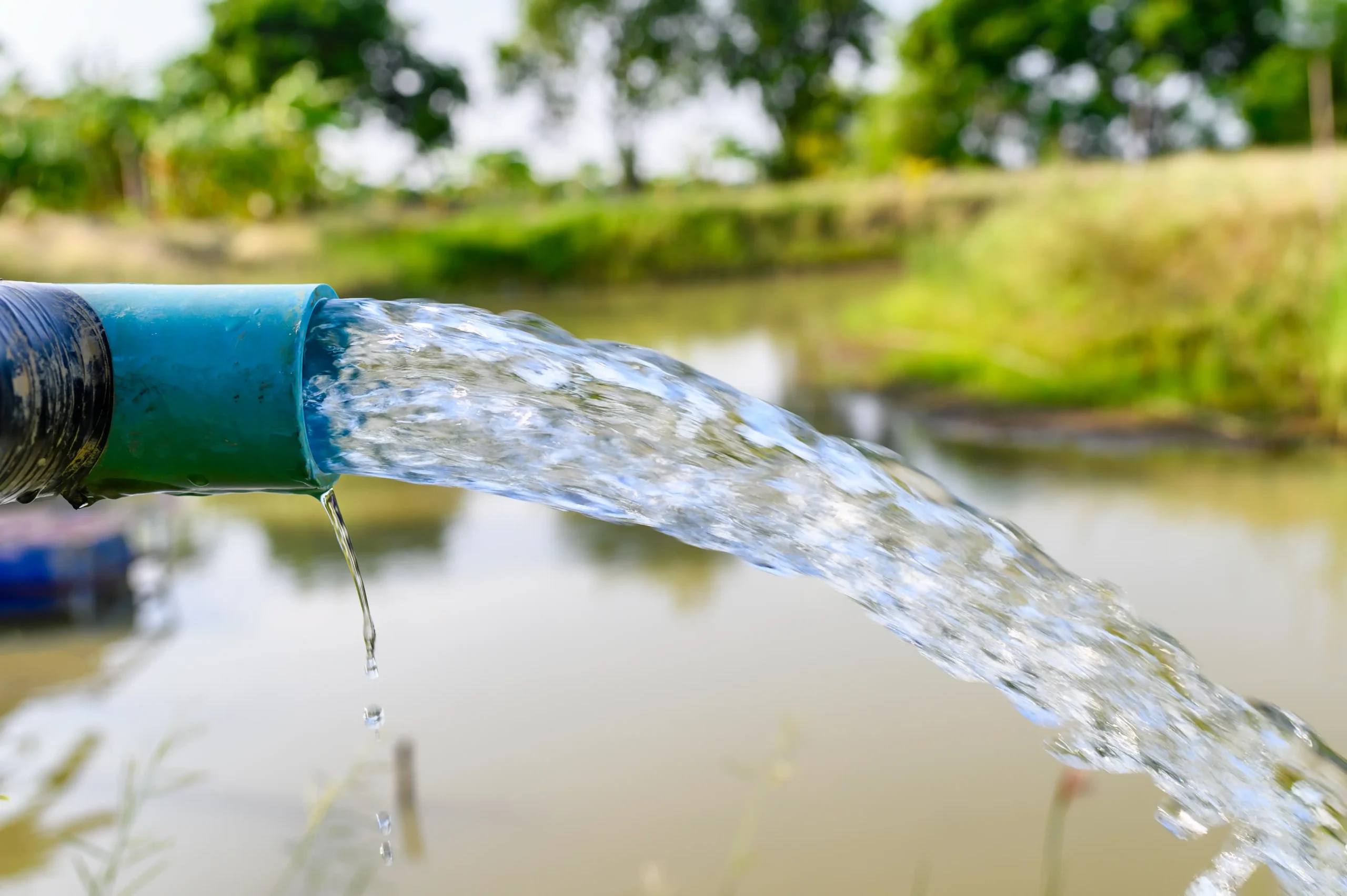
The qualityof water intended for human consumption is related to the characteristics and purity of surface and groundwater resources, which must be ensured through appropriate measures to protect aquifers. The same objective can be achieved by applying appropriate water treatment measures prior to distribution to reduce the risks posed by undesirable substances and ensure the water’s suitability for consumption throughout the distribution process. The choice of a treatment system depends on a variety of factors, such as the effectiveness in mitigating risk based on the type of water being treated, the ability to control multiple risks and manage investment costs, the availability of adequate space for the system, the management of reagents and process byproducts, and the availability of properly trained personnel.
What do groundwater treatment plants do?
Groundwater treatment removes chemical pollutants such as iron, manganese, arsenic, fluoride, vanadium, boron, or uranium, as well as anthropogenic compounds such as triethylene tetrachloride, ammonia, nitrates, pesticides, and chromium. Advanced treatment is required for industrial compounds. Conventional treatment methods include sand filtration, coagulation, sedimentation and/or clarification-flocculation, filtration, and disinfection. Activated carbon treatment is used for water contaminated with organic micropollutants such as pesticides or organohalogenated solvents.
Classification of Groundwater Treatment Methods
There are a large number of groundwater treatment processes, the applicability of which depends on the characteristics of the water to be treated and the required level of purification. Water purification treatments are classified according to two methods.
1) Classification Based on the Sequence of Treatments
According to this classification, the following categories are distinguished:
- Pretreatment: coarse and fine screening, sand removal, oil removal, equalization and homogenization, neutralization.
- Primary treatment processes: flotation, sedimentation, chemical precipitation.
- Secondary treatment processes: activated sludge oxidation, trickling filter systems, bio-disc systems, aerated or non-aerated lagoons, anaerobic digestion, biological sludge sedimentation, disinfection.
- Tertiary treatment processes: nitrification-denitrification, phosphorus precipitation, clarification-flocculation, filtration, adsorption on activated carbon, ion exchange.
Primary treatment significantly removes and reduces suspended and floating materials, while it is not very effective against colloidal materials and dissolved substances. Secondary treatment significantly removes or reduces colloidal materials as well as suspended and dissolved organic substances. Finally, tertiary treatment—also known as advanced treatment—removes or reduces nutrients, organic substances, suspended solids, and dissolved salts to levels far lower than those achievable with secondary treatment.
2) Classification Based on the Nature of the Processes
According to this classification, the following categories are distinguished:
- Mechanical treatments: screening, sand removal, oil removal, equalization and homogenization, flotation, sedimentation, filtration.
- Biological treatment processes: activated sludge oxidation, trickling filters, bio-discs, aerated or non-aerated lagoons, anaerobic digestion, nitrification-denitrification.
- Physico-chemical treatments: neutralization, coagulation-flocculation, chemical precipitation of metals and phosphorus, stripping of ammonia and sulfides, disinfection, adsorption on activated carbon, ion exchange.
Sludge Treatment
Most water treatment processes result in the production of sludge; in biological processes, this sludge results from the conversion of organic matter into microbial cell mass, while in physicochemical processes, it results from the separation of suspended solids, the precipitation of dissolved substances, and the addition of chemicals. Sludge must be treated so that it can be disposed of without harming the environment. Sludge treatment is carried out to reduce its water content and make it suitable for disposal without causing environmental harm.