
The Water Crisis in Sicily and Its Consequences
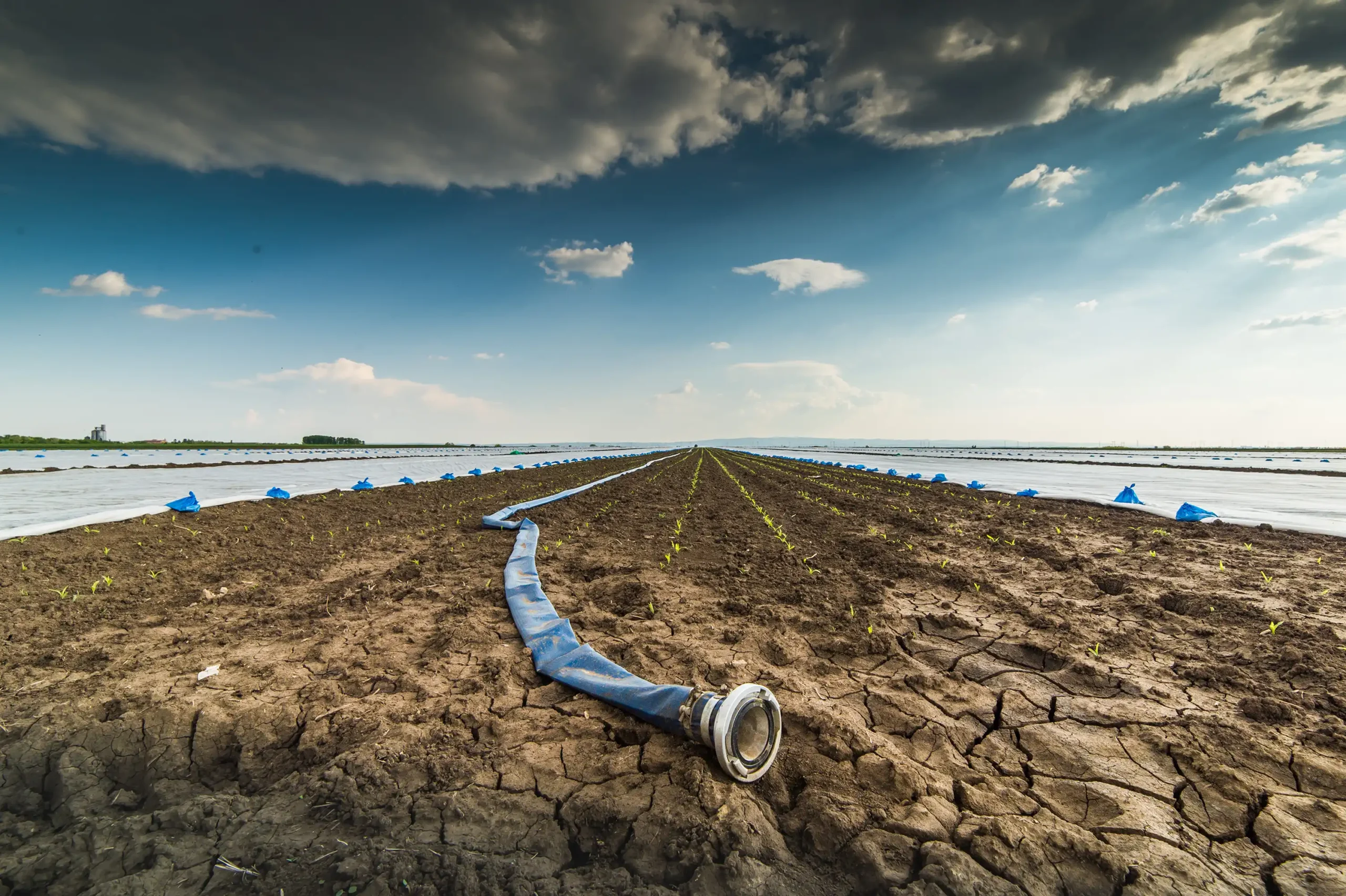
2023 marked the fourth consecutive year of a water emergency in Sicily. Precipitation was below the historical average, and the first few months of 2024 confirm this worrying trend. Higher temperatures and low rainfall have exacerbated the crisis, making it difficult to replenish natural and artificial reservoirs, as well as groundwater aquifers.
Current Data on Water Availability in Sicily
As of March 2024, some reservoirs for drinking water are more than 90% below their required water levels (ANBI data). Reservoirs for irrigation are also facing difficulties. According to the Sicilian District Authority, only 299 million cubic meters of water are currently stored, equal to 30% of total capacity. This is the lowest level since 2010, a clear sign of the ongoing water emergency in Sicily.
Rationing Plan and State of Emergency
Nearly one million Sicilians are facing a drinking water rationing plan. The mandatory reductions range from 10% to 45% in 93 municipalities in the provinces of Agrigento, Caltanissetta, Enna, Messina, Palermo, and Trapani. On March 11, 2024, the Regional Government declared a state of crisis and regional emergency. The Council of Ministers declared a national state of emergency due to the drought on May 6, 2024, valid for 12 months.
System Issues and Proposed Solutions
Outdated water treatment plants and the closure of the desalination plants in Gela, Trapani, and Porto Empedocle have exacerbated the situation. If the plants had been modernized as required by law (Legislative Decree 152/2006 – Legislative Decree 185/2003), thousands of cubic meters of water would be available for irrigation. The closure of the desalination plants has further limited available resources.
Terminter's Advanced Desalination Solutions
To address the water crisis, well water desalination systems are a vital solution. Terminter offers systems based on molecular separation technology, which use semipermeable membranes to remove salts and contaminants. This technology provides water suitable for drinking and irrigation. The process, which operates at low temperatures and with low energy consumption, is essential for areas affected by drought. Terminter’s well water desalination systems are crucial for addressing the growing water crisis.
To learn more about molecular separation technology for industrial applications, read our full article on Molecular Separation Technology for Industrial Use.
Conclusion
Water management in Sicily depends on the adoption of advanced technological solutions and the modernization of existing facilities. Terminter, with its molecular separation desalination plants, offers an effective solution to the water crisis. Only through innovative technologies and modernized infrastructure will Sicily be able to overcome this emergency and ensure a secure future for everyone.